

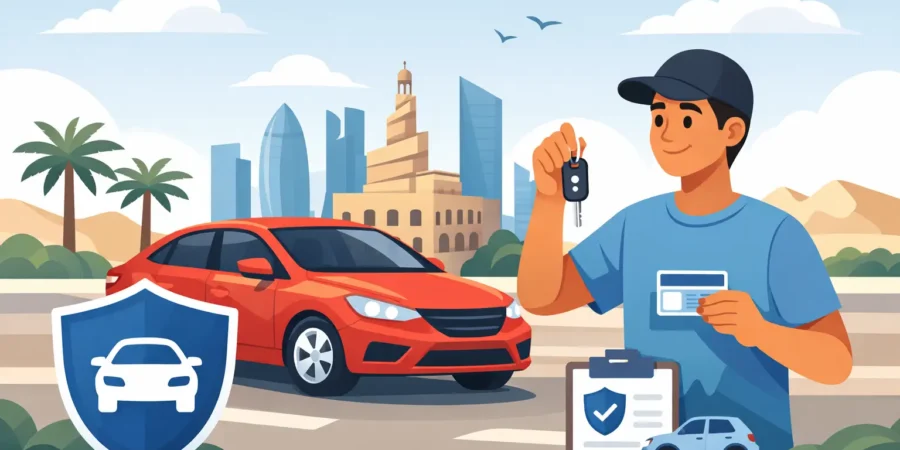
Getting your first policy after earning a license can feel more expensive than expected. That is why finding the best car insurance for new drivers in Qatar is less about chasing the lowest premium and more about understanding what actually affects price, coverage, and long-term value.
A new driver usually looks riskier to insurers. Limited driving history, no claims record, and a higher chance of small mistakes all push premiums up. But that does not mean every policy offers the same value. Some plans look cheap at first and then leave you paying out of pocket for repairs, roadside help, or replacement transportation when you need it most.
What makes the best car insurance for new drivers in Qatar?
For a new driver, the best policy is usually the one that balances four things well: legal compliance, useful protection, manageable cost, and a simple claims process. If one of those is missing, the policy may not hold up when a real problem happens.
The first thing to understand is the gap between basic and broader coverage. A basic policy may satisfy minimum requirements and cost less upfront, which is appealing if you have just bought your first car. But if your vehicle is damaged in an accident, basic coverage may leave you carrying most of the repair bill yourself. For someone still building confidence behind the wheel, that trade-off matters.
Broader coverage often makes more sense for newer cars, financed vehicles, or drivers who want fewer surprise expenses. It typically costs more, but it can protect against a wider range of damage and reduce the financial hit after an accident. Whether that extra premium is worth it depends on your car, your driving habits, and how much unexpected cost you could comfortably absorb.
How insurers price new drivers
Insurers do not price every first-time driver the same way. Age matters, but it is not the only factor. The type of car you drive, how much it costs to repair, where it is parked, and how often it is used all influence the final premium.
A small sedan with modest repair costs will usually be easier to insure than a high-value SUV or a sporty model. The reason is simple: replacement parts, bodywork, and accident severity can all cost more on certain vehicles. If you are still choosing your first car, insurance cost should be part of the decision, not something you look at afterward.
Your driver profile also matters. If you have only recently been licensed, insurers may see you as higher risk than someone with several clean years of driving history. Some providers may be more flexible with expat drivers who can show prior driving experience from another country, while others may focus more heavily on local records. This is one of those cases where it depends on the insurer’s underwriting approach.
Third-party vs comprehensive coverage
This is usually the biggest decision for new drivers.
Third-party coverage
Third-party insurance is generally the lower-cost option. It is mainly designed to cover damage or injury caused to others. If your own car is damaged, you may not have meaningful protection for your repair costs. That makes it a practical choice for older, lower-value cars where full coverage may not make financial sense.
For example, if you drive an older car with a limited market value, paying significantly more for broad protection may not be the smartest move. In that case, third-party coverage can keep you legally covered while controlling annual costs.
Comprehensive coverage
Comprehensive insurance usually offers wider protection for your own vehicle as well as third-party liability. For new drivers, this can provide useful peace of mind. Minor collisions, parking mistakes, or weather-related damage can become expensive quickly, especially if replacement parts are costly.
If your car is relatively new or expensive to repair, comprehensive coverage is often the safer choice. Yes, it raises the premium, but it may save far more if something goes wrong in your first year of driving.
Features that matter more for first-time drivers
New drivers often compare policies by premium alone. That is understandable, but a cheaper quote is not always the better deal.
A low deductible can help if you want lower out-of-pocket costs during a claim, though it may raise the annual premium. Roadside assistance is another useful feature, especially if you are not yet confident handling breakdowns, battery issues, or flat tires on your own. Agency repair can also matter if you want your car repaired through approved service channels rather than whichever workshop the insurer selects.
Claims service deserves more attention than it usually gets. A provider with a straightforward claims process, clear documentation requirements, and responsive support may be worth paying slightly more for. This matters even more for a new driver who has never filed a motor claim before.
You should also check policy exclusions carefully. Some plans look broad until you see the fine print on driver age limits, off-hours reporting rules, or repair conditions. A policy is only as good as its real-world usability.
How to compare policies without getting overwhelmed
The easiest way to compare options is to focus on a short list of variables instead of trying to read every clause at once.
Start with the coverage type you actually need. Then compare deductible amount, repair network, roadside support, and claim process reputation. After that, look at extras such as replacement car benefits or windshield coverage if they are relevant to your situation.
It also helps to compare based on your vehicle category. A first-time driver with a compact used car should not evaluate policies the same way as someone driving a newer crossover. The best car insurance for new drivers in Qatar will look different depending on the car’s value and how much protection makes practical sense.
If two quotes are close in price, the tie-breaker should usually be service quality and policy clarity. Saving a small amount upfront is rarely worth it if making a claim becomes difficult later.
Smart ways new drivers can lower insurance costs
There is no magic trick that makes first-year premiums cheap, but there are practical ways to avoid overpaying.
Choosing a car with lower repair costs is one of the biggest levers. Parking in a secure location can also help. Some insurers may price more favorably when the vehicle is less exposed to theft or damage. If you do not drive long distances regularly, that may also support a better rate, depending on how the insurer assesses usage.
Another simple move is avoiding unnecessary add-ons. Not every extra is bad, but some are easy to pay for without ever using. Focus on protections that fit your actual driving life, not a generic sales pitch.
Accuracy matters too. Make sure the insurer has the right details about your car, driving history, and intended use. If information is incomplete or inconsistent, it can create pricing issues now and claims issues later.
Common mistakes new drivers make
One common mistake is buying the cheapest policy without checking what it excludes. Another is overinsuring an older car whose value may not justify a high premium. The opposite happens too – some drivers underinsure a newer vehicle just to save money upfront, then face a much larger bill after an accident.
A third mistake is ignoring the claims experience. New drivers often do not think about claims until they need one, but that is exactly when insurer quality becomes real. A slightly more expensive provider with better support can be the smarter buy.
There is also the mistake of not reviewing the policy before renewal. Your first year as a driver is usually your most expensive. If you build a cleaner driving record over time, your options may improve. That is a good reason to compare again rather than auto-renewing without review.
So what should a new driver actually choose?
If you drive an older, lower-value car and mainly want legal protection at the lowest practical cost, third-party coverage may be enough. If you drive a newer car, park in busy areas, or simply want stronger protection while you gain experience, comprehensive coverage is often the better fit.
The right choice comes down to risk tolerance and car value. A policy should not just be affordable on the day you buy it. It should still feel like a smart decision on the day you need to use it.
For most first-time drivers, the best approach is simple: compare beyond price, pay close attention to what is covered, and choose the policy that protects your budget from the kind of mistake new drivers are most likely to make. A little extra care at the decision stage can save a lot of money and stress once you are out on the road.

Leave a Reply