

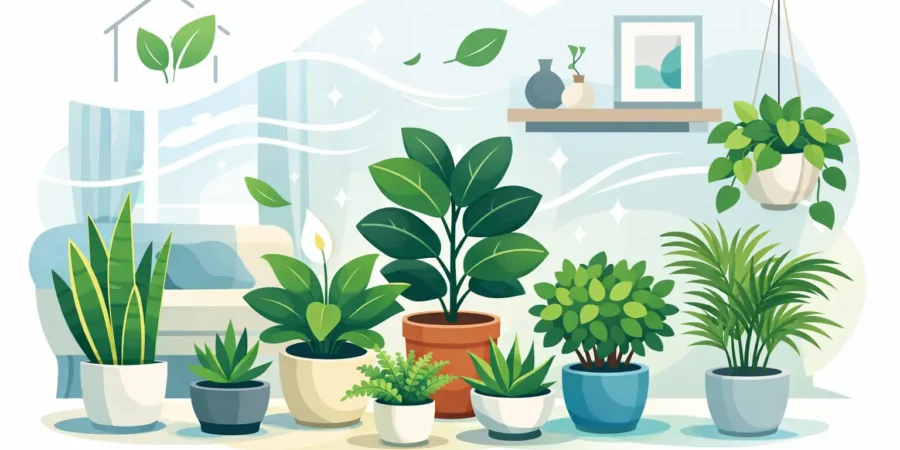
A plant that looks great on a store shelf can turn into a weak, dusty disappointment once it reaches a dark corner at home. That is why choosing the best plants for indoor air is less about chasing a trend and more about matching the plant to your room, light, and routine.
There is also one useful reality check: houseplants can support a fresher-feeling indoor environment, but they are not a replacement for ventilation, cleaning, or managing humidity. Think of them as a smart upgrade, not a complete fix. If you want plants that are attractive, practical, and forgiving, some varieties consistently perform better than others.
What makes the best plants for indoor air worth buying
The best indoor plants for air are usually the ones that survive normal household conditions without constant attention. A plant that drops leaves, attracts pests, or struggles in low light will not help much in the long run. For most homes, the better choice is a plant that tolerates indoor temperatures, handles occasional missed watering, and still grows steadily.
Leaf size and plant health matter too. Healthy plants with enough foliage generally do more work than a single small plant tucked behind furniture. That does not mean every room needs to look like a greenhouse. It means one medium or large plant in the right spot often makes more sense than several struggling plants scattered around the house.
10 best plants for indoor air
Snake plant
Snake plant is one of the easiest places to start. It handles inconsistent watering, tolerates lower light than many other plants, and has upright leaves that fit well in apartments, offices, and bedrooms. If your schedule is busy or you are new to houseplants, this is one of the safest picks.
Its biggest advantage is durability. The trade-off is that it grows slowly indoors, especially in low light. If you want a dramatic plant that fills space quickly, snake plant may feel too restrained. But if you want reliability, it is hard to beat.
Pothos
Pothos is popular for good reason. It grows well in average indoor conditions, trails nicely from shelves, and gives a room a fuller, softer look. It is also one of the more forgiving plants if you occasionally forget to water.
For air-friendly greenery, pothos works best where it gets bright, indirect light, though it can adapt to lower light. Just expect slower growth and less vivid leaf color in darker spots. It is a practical option for living rooms and home offices.
Peace lily
Peace lily is often recommended when people search for the best plants for indoor air because it offers broad leaves and a polished look without feeling fussy. It also gives clear signals when it needs water, usually by drooping slightly.
That said, peace lily is not the best fit for every home. It prefers more consistent moisture than snake plant or ZZ plant, and direct sun can scorch its leaves. If you want something elegant and do not mind checking soil more often, it is a strong choice.
Spider plant
Spider plant remains one of the most approachable houseplants around. It is affordable, easy to find, and adaptable to a wide range of indoor conditions. Its arching leaves bring movement to a room, especially in hanging baskets or on raised stands.
It is also a good option for people who want visible progress. Spider plants can produce offshoots fairly quickly when happy. The only catch is appearance – some people love the casual look, while others prefer cleaner, more architectural plants.
Areca palm
If you want a larger plant with a lighter, softer shape, areca palm stands out. It can make a room feel more open and finished, especially in corners that need height and texture. In bright indoor spaces, it tends to perform well and adds a noticeable fresh, tropical look.
The trade-off is maintenance. Areca palms need more consistent care than tougher plants like pothos or snake plant. Browning tips can appear if watering, humidity, or light is off. It is a good pick if you want visual impact and are willing to pay a bit more attention.
Rubber plant
Rubber plant is a strong choice for people who want a plant that looks substantial. Its thick, glossy leaves create a cleaner, more structured appearance than many trailing plants. It suits modern interiors well and can become a real focal point.
For best results, place it in bright, indirect light and avoid overwatering. Rubber plant is less forgiving in very dark rooms, so it is not ideal if your space gets minimal daylight. In the right location, though, it offers a good mix of style and practicality.
ZZ plant
ZZ plant is built for people who want low effort. It tolerates lower light, does not need frequent watering, and keeps a tidy shape. In many homes, it is one of the easiest plants to maintain over time.
Its main limitation is growth speed. Like snake plant, it is not a fast filler. But if your priority is dependable greenery that does not create extra work, ZZ plant belongs near the top of the list.
Bamboo palm
Bamboo palm is another larger option often associated with indoor air quality and a softer room feel. It has a more relaxed appearance than rubber plant and can work well in living areas where you want a plant with presence but not a heavy look.
It usually prefers bright, filtered light and steady care. If neglected for long periods, it can lose its appeal faster than hardier plants. It is a better fit for plant owners who want a larger statement piece and can manage a regular care routine.
English ivy
English ivy can look beautiful on shelves or in hanging containers, and many people like it for its classic trailing form. It can be a useful option if you want greenery in a smaller footprint rather than a floor plant.
Still, this one comes with more caution than some of the others. Ivy can be more sensitive to indoor conditions and may attract pests if airflow is poor or the plant is stressed. It is better for someone who already has a little plant care confidence.
Dracaena
Dracaena covers several popular indoor varieties, and that flexibility is part of its appeal. Many types have upright growth, patterned leaves, and a clean silhouette that works in apartments and offices. They often fit well in corners, entryways, and workspaces.
Most dracaena varieties prefer moderate to bright indirect light and careful watering. Too much water is a common problem. If you want a plant that looks neat and modern, dracaena offers good value and plenty of style choices.
How to choose the best plants for indoor air in your home
Start with light, not looks. A bright room with filtered sunlight opens the door to more options, including rubber plant, areca palm, and peace lily. If your room is dim for most of the day, snake plant and ZZ plant are usually smarter buys.
Then think about maintenance honestly. If you travel often or simply do not want another task on your list, low-maintenance plants will save you money and frustration. A cheaper, tougher plant that survives is a better investment than a premium plant that declines in two months.
Pets and children matter too. Some common houseplants can be irritating or unsafe if chewed. If that is relevant in your home, check plant safety before buying instead of assuming all indoor plants are harmless.
Finally, match the plant size to the room. One healthy floor plant can do more for the look and feel of a space than several tiny pots spread around. Smaller plants still work well, but they usually need grouping to make a similar visual impact.
Simple care tips that make a real difference
Most indoor plants fail because of overwatering, not neglect. Before adding water, check whether the top layer of soil is actually dry. This one habit prevents a lot of common problems, especially root rot and fungus gnats.
Wipe leaves occasionally so dust does not build up. Clean leaves look better and help the plant function more effectively. Rotate pots every few weeks as well, so growth stays more even instead of leaning hard toward the nearest window.
If your home uses strong air conditioning for much of the year, keep plants away from direct blasts of cold air. This is especially useful in places like Qatar, where indoor cooling can be intense and constant. Stable placement often matters more than people expect.
Which indoor air plant is the best overall?
If you want one safest all-around recommendation, snake plant is the winner for most households. It is widely available, handles imperfect care, and suits different room types. For people who want something fuller and faster-growing, pothos is a close second.
If appearance comes first, rubber plant and areca palm offer more design impact. If ease matters most, ZZ plant deserves serious consideration. The right answer depends on whether you value visual effect, low maintenance, pet considerations, or how much natural light you actually get.
A good houseplant should make your space easier to enjoy, not harder to manage. Pick the plant that fits your real home and routine, and you are far more likely to keep it healthy long enough to notice the difference.

Leave a Reply