

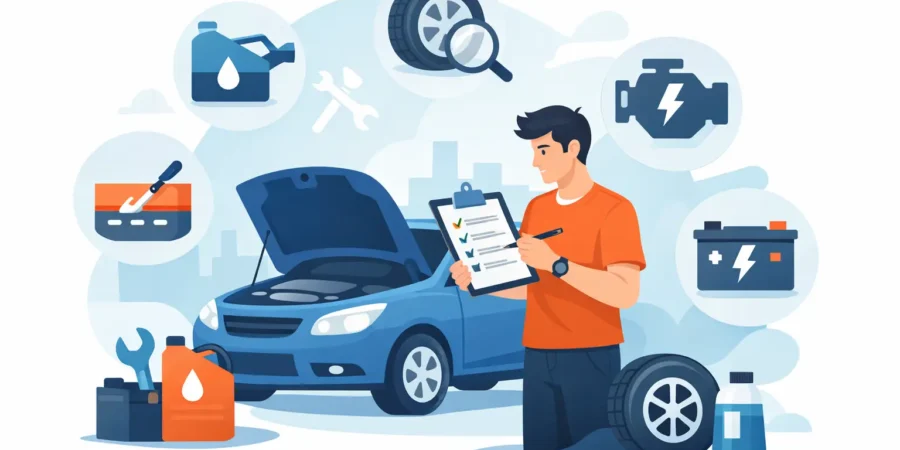
That dashboard light always seems to turn on at the worst time – right before work, during errands, or when you are already worried about the cost. A good car maintenance checklist for beginners helps you catch small problems early, avoid unnecessary repairs, and feel more confident about what your vehicle actually needs.
If you are new to car ownership, the goal is not to become a mechanic. It is to build a simple routine that protects your car, saves money over time, and helps you notice when something is off. Most basic maintenance is less about technical skill and more about consistency.
Why a car maintenance checklist for beginners matters
Cars rarely fail without warning. More often, they give small signs first – lower tire pressure, dirty oil, weak battery starts, unusual sounds, or reduced braking performance. When those signs are missed for months, a minor fix can turn into a bigger bill.
That is why a beginner-friendly checklist works so well. It reduces guesswork. Instead of wondering whether maintenance is urgent or optional, you have a clear way to check the essentials and act before wear becomes damage.
There is also a safety angle. Tires, brakes, lights, and fluids all affect how your car performs on the road. If even one of those basics is ignored, the car can become less predictable in heat, rain, traffic, or long-distance driving.
The simple maintenance routine to follow
You do not need to inspect every part of your car every week. A smarter approach is to break maintenance into quick checks by timing: what to look at monthly, every few months, and at longer intervals.
Monthly checks that take a few minutes
Start with the tires. Look at tire pressure and tread depth. Low pressure can reduce fuel efficiency, wear tires unevenly, and affect handling. Tread matters just as much because worn tires lose grip, especially when roads are slick. If one tire keeps losing pressure, that usually points to a puncture or valve issue rather than normal wear.
Next, check engine oil. Many newer vehicles monitor oil levels electronically, but plenty still rely on the dipstick. If the oil is low, top it up with the correct type listed in your owner’s manual. If it looks extremely dark, gritty, or below the safe range, do not ignore it. Oil is cheap compared with engine damage.
Look at coolant, windshield washer fluid, and brake fluid levels. You do not always need to refill everything monthly, but a quick look helps you spot leaks or sudden drops. Coolant is especially important in hot climates because overheating can become serious fast.
Test your lights. Headlights, brake lights, turn signals, and hazard lights are easy to forget because you usually notice them only when they stop working. A quick walk-around check can prevent a ticket and improve visibility for everyone around you.
Finally, pay attention to the battery. You may not need tools for this. Slow starts, dim lights, or corroded terminals are all signs the battery may need attention. In extreme heat, batteries can weaken faster than many drivers expect.
Every 3 to 6 months
This is a good time to inspect windshield wipers, cabin air filter, and exterior cleanliness. Wiper blades often fail gradually, so people tolerate streaking for too long. Replacing them is inexpensive and makes a real difference in poor weather.
A dirty cabin air filter does not usually damage the car, but it can reduce airflow and make the interior less comfortable. If the air conditioning feels weaker than usual, the filter is one place to look before assuming a larger issue.
Washing the car also counts as maintenance when done properly. Dirt, dust, and road grime can hide scratches, damage trim, and affect visibility through the glass. Cleaning the inside matters too because it helps you notice warning smells, moisture, or leaks sooner.
Service items that usually follow mileage or time
Oil changes, tire rotation, brake service, engine air filter replacement, spark plugs, transmission fluid, and other major items usually follow a schedule in the owner’s manual. This is where many beginners get confused because advice online can sound universal when it is not.
The right interval depends on your vehicle, driving style, climate, and whether you mostly do short trips or highway driving. For example, some cars can go longer between oil changes, while others need more frequent service. The owner’s manual is more reliable than generic advice from social media or old habits from a different vehicle.
The core checklist every beginner should keep
A practical car maintenance checklist for beginners should focus on the items that most directly affect reliability, safety, and repair costs. Keep track of tire pressure, tread, oil level and oil change dates, coolant, brake fluid, washer fluid, battery condition, lights, wiper blades, brake performance, air filters, and scheduled service milestones.
You do not need a complicated spreadsheet. A note on your phone with dates, mileage, and what was done is enough for most drivers. The important part is having a record. It helps you avoid duplicate services, catch patterns, and make better decisions when a repair shop recommends extra work.
What you can do yourself and what is better left to a shop
Some maintenance tasks are beginner-friendly. Checking fluids, adding washer fluid, monitoring tire pressure, replacing wiper blades, and keeping the car clean are all realistic for most owners. They require minimal tools and little risk if done carefully.
Other jobs depend on your comfort level. Changing oil, replacing filters, or swapping a battery can be manageable, but only if you are using the correct parts and understand the process. Doing it wrong can create more problems than it solves.
Brakes, suspension, electrical issues, and anything involving leaks under the car are usually better handled by a qualified technician. The smartest beginner move is not doing everything alone. It is knowing what you can handle confidently and when professional service is worth the cost.
How to avoid paying for maintenance you do not need
This is where many new car owners lose money. A shop may recommend a long list of services, and without a baseline, it is hard to know what is urgent, what is preventative, and what can wait.
Start by comparing the recommendation with your owner’s manual. If the service is not due by time or mileage, ask why it is needed now. A good shop should be able to explain the reason clearly. If the answer is vague, that is a signal to slow down.
It also helps to separate safety issues from convenience issues. Worn brake pads or damaged tires need prompt attention. A slightly dirty cabin filter or cosmetic issue usually does not. Not every maintenance recommendation carries the same weight.
When possible, ask for measurements or visual proof. Tire tread depth, brake pad thickness, battery test results, and fluid condition can often be shown directly. Clear evidence makes decision-making easier and reduces pressure.
Beginner mistakes to watch for
One common mistake is waiting for a problem to become obvious. Strange noises, vibration, fluid spots, or warning lights should not be treated as future problems. They are current problems that may still be inexpensive to fix.
Another mistake is assuming low mileage means low maintenance. Even cars that are not driven much still age. Fluids break down, batteries weaken, rubber parts dry out, and tires can wear with time as well as distance.
Using the wrong fluid or part is another avoidable issue. Not all engine oils, coolants, or batteries are interchangeable. If you are unsure, check the owner’s manual or ask a trusted professional before buying anything.
How to build a maintenance habit that actually lasts
The best routine is the one you will follow. Tie your checks to something you already do, like fueling up, washing the car, or the start of each month. Set reminders for oil changes, registration dates, and annual inspections.
Keep a small kit in the trunk with a tire pressure gauge, microfiber cloth, flashlight, and washer fluid. That alone makes it easier to stay on top of basic care. Convenience matters more than motivation when building habits.
If you share the car with family members, keep one maintenance record for everyone to use. That prevents missed services and makes it easier to spot recurring issues.
Owning a car gets less stressful once you stop treating maintenance as a surprise. Start small, stay consistent, and let your checklist do the hard part of remembering.

Leave a Reply